LOVE YOUR HOME
Conscious Home Design:
How to Fall Back in Love With the Home You Already Have
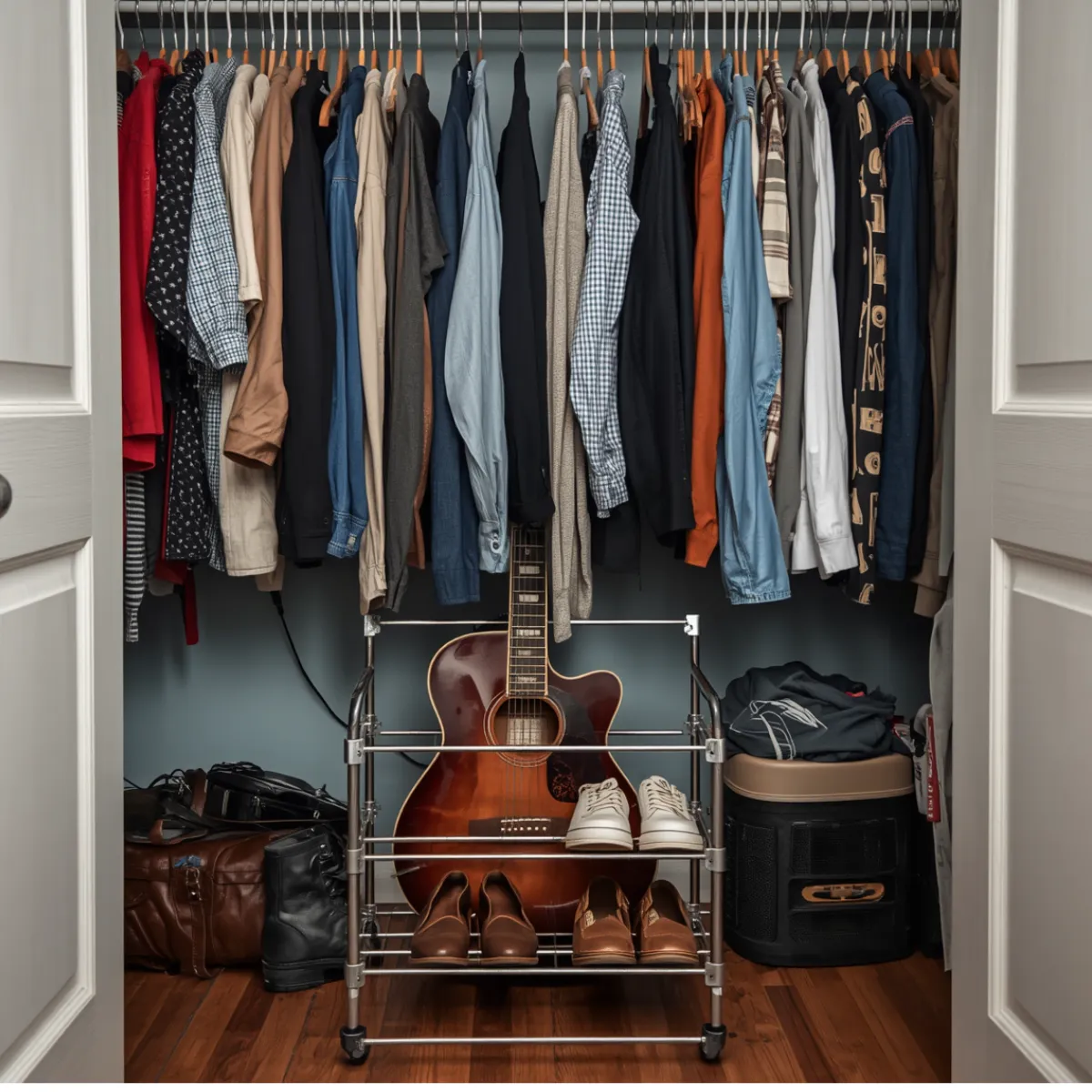
Somewhere in your home, there's a guitar in the back of a closet.
Maybe for you it's a camera bag under the bed. Watercolors in a drawer. A sewing machine that hasn't left its case in two years. Whatever it is - the thing you loved, the thing you swore you'd get back to - it's stored somewhere, quietly gathering dust behind the winter coats.
And here's the part worth sitting with: you didn't stop because you lost interest.
You stopped because of where the closet is.
Most people start with feng shui - and that's not wrong
When people feel the itch to refresh a home, a room, or a space, the first place many go is feng shui. Does the energy flow, or is it blocked by big, oversized, clunky furniture? Is the room cluttered? How's the lighting? Do the rugs need replacing?
All of those matter - genuinely. A room you can't move through freely is a room working against you, and those principles have endured for a reason.
But there's a newer conversation in home design, and it goes a level deeper. It's called conscious home design, and instead of starting with the room, it starts with you.
What is conscious home design?
In simple terms, conscious home design asks two questions before it asks anything about furniture:
How do you actually live your life - your hobbies, your exercise, your work, your rituals?
And what are you working toward - writing a book, learning guitar, getting serious about photography?
Then comes the question that changes everything: does your home reflect any of that?
Walk through most homes and the honest answer is no. And to understand why, you have to look at what ten or twenty years quietly does to a house.
The house didn't change. You did.
Here's the thing about homes: they get designed once, and then life keeps moving.
The home you set up ten or twenty years ago was built around that version of you - the carpools, the toy bins, the guest room for visiting in-laws, the dining room for the holidays you hosted because it was your turn. Every room had a job, and every room did it well.
But the kids grew up and moved out, and their bedrooms became museums. You retired, or changed careers, or finally started the thing you'd been putting off. Your interests changed. Your body changed. The people around your table changed. Meanwhile, the house never got the memo. Rooms don't retire on their own - when the life that assigned their jobs moves on, they keep standing there in uniform, doing work nobody needs anymore.
That's the disconnect you feel walking through your own house, and it's usually when the thought arrives, quietly at first: maybe it's time to sell.
And sometimes it is - I help people sell homes, and I'll tell you honestly when that's the right move. But a surprising number of people who think they've outgrown their home have actually just outgrown the way it's arranged. The house was designed around a life they're not living anymore, and nobody ever went back and updated it. That's not a reason to move. That's a reason to redesign - around who you are now.
The hassle tax: why your home decides which passions survive
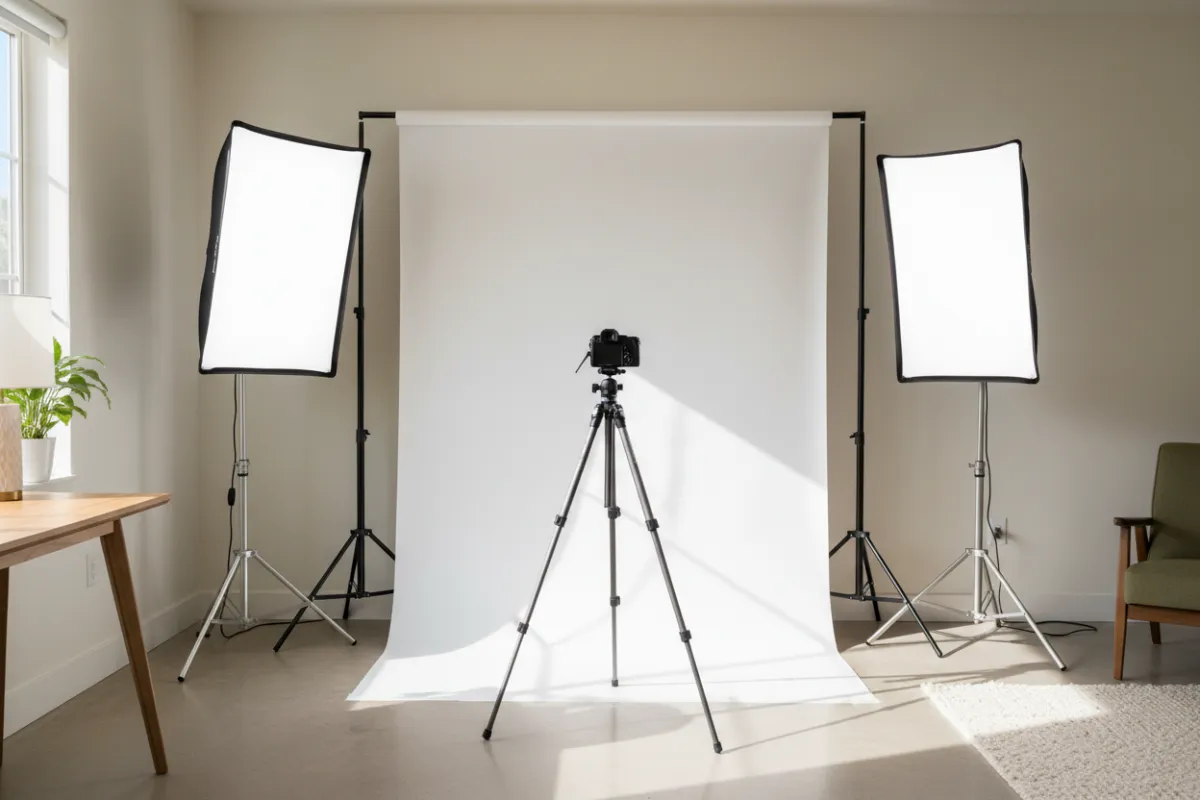
Here's the mechanism, and once you see it you can't unsee it.
Say photography is your thing. But your lighting gear lives in a closet, so every session means hauling it out, setting it up, and tearing it all down when you're done - because the space belongs to something else. Every single time.
That setup-and-teardown is a tax. It's small enough that you never blame it, but it's charged on every session - and slowly, it changes your behavior. You shoot a little less this month. You skip a weekend because dragging everything out feels heavy. And one day you realize you haven't taken a real photograph in a year.
Not because you didn't love it. Because it was always too much of a hassle.
Now flip it. The lighting stays set up in a corner that belongs to photography. The guitar hangs on the wall next to a chair, tuned, three steps from your morning coffee. Nothing about your talent changed - but the tax dropped to zero, and the behavior follows. The people who keep their hobbies aren't stronger-willed than you. Their homes just charge them less to show up.
Your space is either lowering the cost of the life you want, or raising it. There's no neutral.
What this looks like in real life: the garage that became a celebration
One homeowner I worked with said something that changed the entire direction of her project: "People don't celebrate life enough."
She didn't want another television room. She wanted a place where family and friends could gather, laugh, and create memories together. So her garage didn't become storage with better lighting - it became a Champagne Room, inspired by the elegance of the Great Gatsby era, with rich textures, chandeliers, and velvet seating that made every gathering feel like a celebration.
Notice what that is: conscious home design in action. We didn't start with the room. We started with how she wanted to live - and then removed everything standing between her and that life. The square footage never changed. The address never changed. But the home came alive, because one space finally had a purpose that matched its owner.
"Great design isn't about filling a space. It's about giving that space a purpose."
How to see your own home with fresh eyes
Try this twenty-minute walk-through - no renovation required.
Write down three things: how you spend your time now, how you want to spend it, and what you're working toward this year. Then walk your home slowly and grade each room against that list. Where does your real life happen easily? Where is something you love stored instead of staged? Which room is still serving a life you no longer live?
Maybe it's an unused dining room. A spare bedroom. A garage. Or simply a room that no longer feels like you. You'll know it when you're standing in it - it's the room you've been walking past. Stand in that doorway and ask the question every great transformation starts with:
What does this space want to become?
You don't have to move to love where you live
Sometimes answering that question takes a remodel. Far more often, it takes rearranging, better lighting, and one honest conversation about what a room is for.
But here's the honest truth about doing it alone: it's hard to see your own home with fresh eyes. You've walked past that closet a thousand times. The dining room has "always been the dining room." That's exactly where a second set of eyes changes everything - someone who has stood in a lot of doorways and watched a lot of garages, guest rooms, and forgotten corners become the favorite room in the house.
Your home is going to shape your habits either way. Conscious design just means you're the one deciding how.
What space in your home is waiting for a new purpose?
Let's find out — because sometimes a fresh perspective is all it takes.