
Your home is always communicating.
Make sure it says exactly what you want it to say.
Home staging is the process of preparing a home for sale by strategically furnishing, decorating, and optimizing spaces to help buyers envision the property as their future home. For homeowners in Palm Desert, La Quinta, Indian Wells, and throughout the Coachella Valley, professional staging increases buyer confidence, reduces days on market, and often increases the final sale price.
WHY STAGING WORKS
Staging Doesn't Cost. It Pays.
The numbers on staging aren't subtle. According to the National Association of REALTORS® 2025 Profile of Home Staging, nearly half of all sellers' agents — 49% — report that staged homes spend less time on the market than comparable unstaged properties, and nearly 85% of realtors agree that a staged home will sell faster than an unstaged one. Industry studies from the Real Estate Staging Association show staged homes selling 33–50% faster, and Zillow data puts staged properties at an average of 11 days on the market compared to 30 or more for unstaged homes.
The reason is simple: 83% of buyers' agents say staging makes it easier for a buyer to visualize the property as their future home — and buyers who can picture their life in a home make offers. For homes in Palm Desert, La Quinta, and Indian Wells, where luxury competition is intense, this emotional connection becomes even more critical—staging is how your home stands out in a crowded market.
Here's the part most sellers never calculate: an unsold home isn't free — it sends you a bill every 30 days. Consider a $500,000 home with a typical mortgage (20% down, $400,000 loan at 5%). The mortgage payment alone runs about $2,147 a month. Add property taxes of roughly $458, a $420 HOA fee, around $275 in utilities to keep the home lit, cooled, and show-ready, and about $150 for insurance — and the meter reads approximately $3,450 every single month the home sits unsold. Two extra months on the market costs nearly $7,000. Three months costs over $10,000.
And that's only half the equation, because staged homes don't just sell faster — they sell for more. Nearly three out of ten agents in the NAR study report that staging increased the dollar value offered by 1% to 10%. On a $500,000 home, that's an additional $5,000 to $50,000 at the closing table. Even at the very bottom of that range, the price premium alone often covers the entire cost of staging — before you count a single dollar saved in carrying costs. So the real math looks like this: staging is the one selling expense with a solid chance of paying you back twice — once in the price, and again in every month of mortgage, taxes, and utilities you never had to write a check for.
You may not think your home belongs on the next episode of Selling Sunset or Million Dollar Listing New York. But here's the thing — we've all watched those beautiful homes sell, on TV or scrolling through social media, and not one of them was sold empty.
There's a reason for that. Today's buyers arrive with an expectation: if you really want to sell your home, and you want top dollar, the home should look move-in ready. Like all you need to bring is your suitcase and a bottle of wine, and you're set.
An empty home says 'moved out.' A staged home says 'moving in'. And when it comes to selling, what your home communicates is everything.
This isn't just a theory about buyer psychology — it's rooted in how the nervous system actually works. Long before a buyer consciously evaluates a home, their body has already registered dozens of small signals: clutter, lighting, scent, flow. A background in biofeedback is part of what shapes every recommendation here — not just what looks good, but what helps a buyer's body feel safe enough to imagine staying.
UNDERSTANDING THE BUYER
Buyers Don't Choose a Home With Logic Alone
A home is unlike almost any other purchase.
For most people, it's the largest financial investment they'll ever make - and one of the most personal.
Long before buyers compare the age of the roof, ask about the HVAC system, or read the inspection report, they're already forming an emotional impression.
That's because a home isn't just a structure.
"It's a reflection of the life they hope to build."
As buyers pull up to the curb, walk to the front door, and step inside, they're asking questions they may never say out loud.
Does this home feel cared for?
Can I trust what I'm seeing?
Can I picture my life here?
Every detail helps answer those questions.
The landscaping.
The condition of the paint.
The lighting.
The cleanliness.
The way the front door welcomes you.
The feeling each room creates.
Those details don't just change how a home looks. They change what buyers believe.
Once that emotional impression has been formed, buyers naturally begin looking for logical reasons to support it.
Now they notice the roof.
The HVAC system.
The plumbing.
The windows.
The inspection report.
Logic becomes the way we justify a decision that often began emotionally.
That's why preparing a home for sale isn't about making it look expensive.
It's about intentionally creating an experience that communicates confidence, care, and trust from the very first moment someone arrives.
Because your home is always communicating. Make sure it's saying exactly what you want buyers to hear.
My approach to this comes from an unusual place. Before staging homes, I spent 25 years studying biofeedback — the science of how the body responds to its environment, often before the mind catches up. Clutter raises heart rate. Harsh lighting triggers alertness. A cluttered sightline reads as effort, not ease. None of this is guesswork. It's the same physiology I've studied for decades, applied to a room instead of a person.
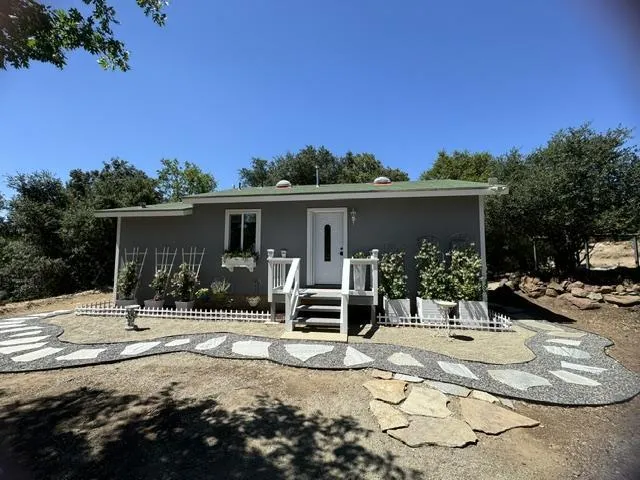
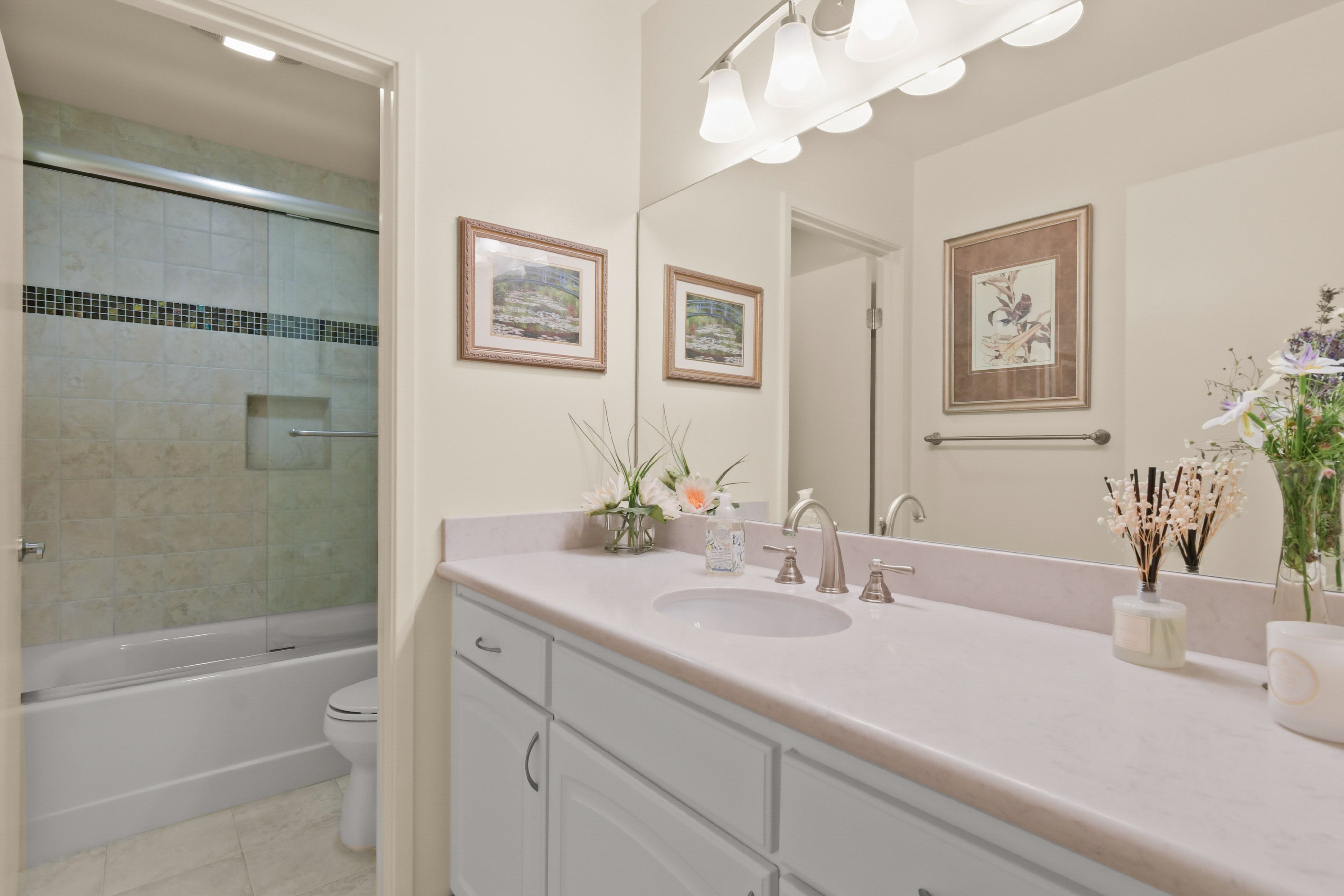
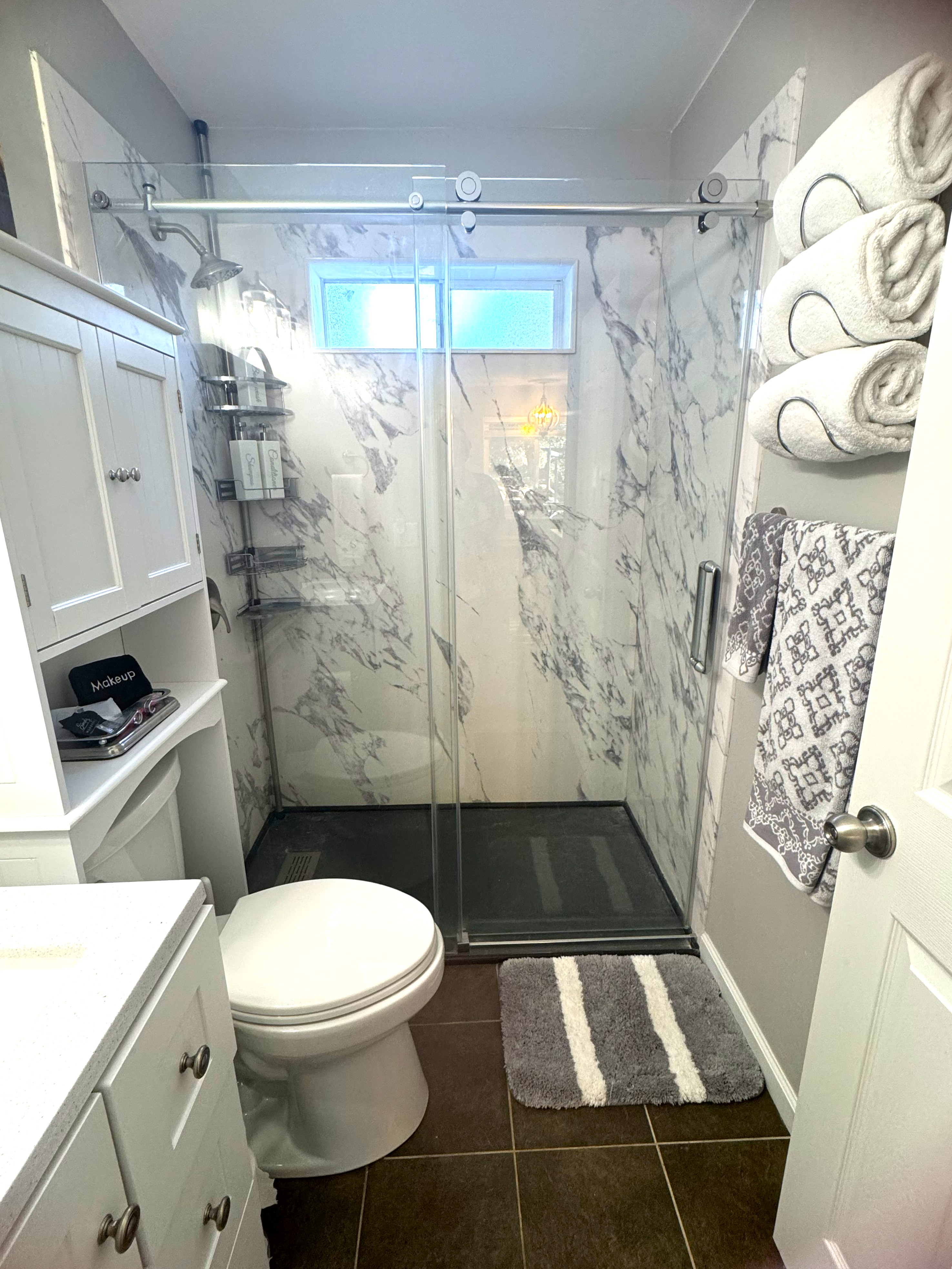
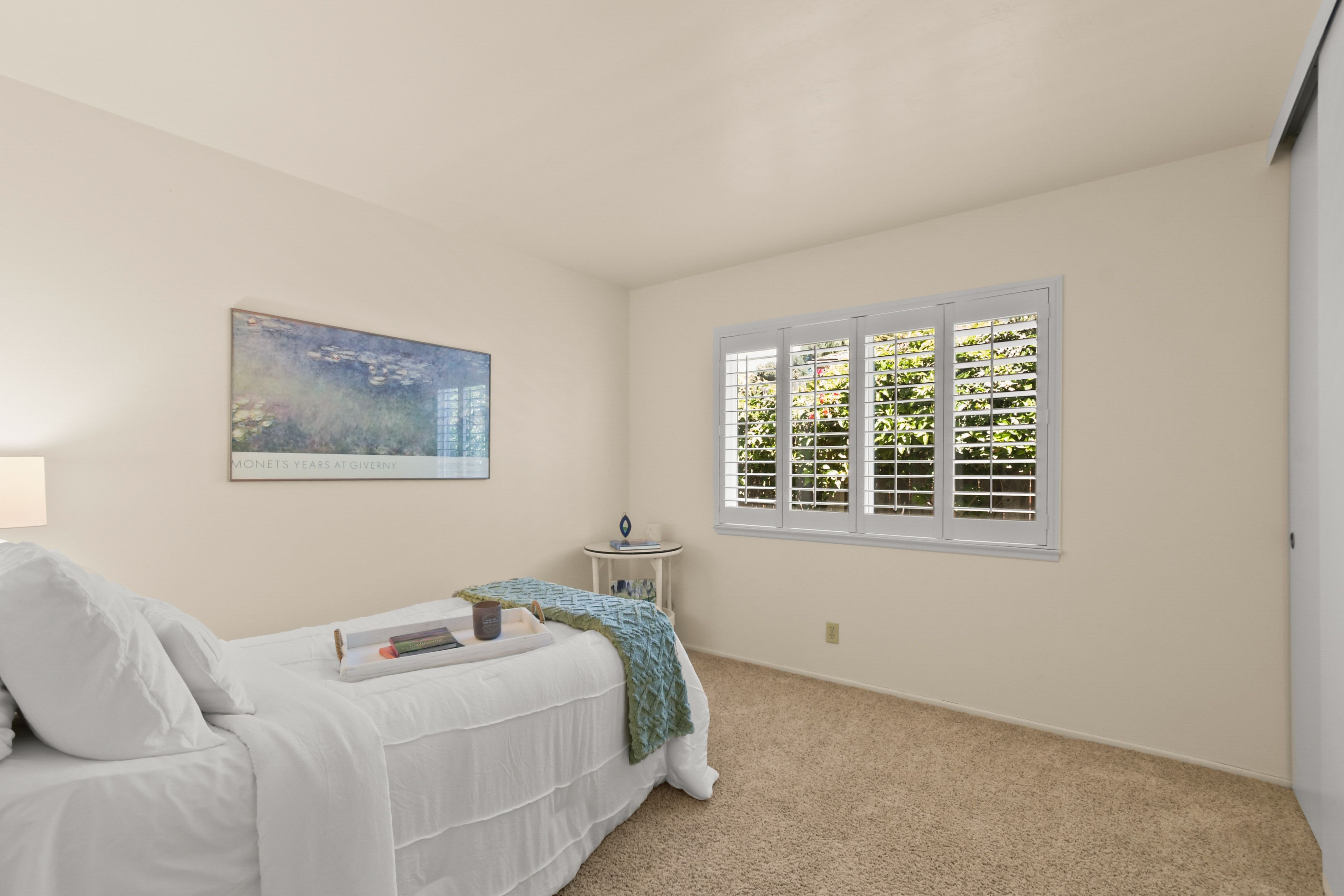
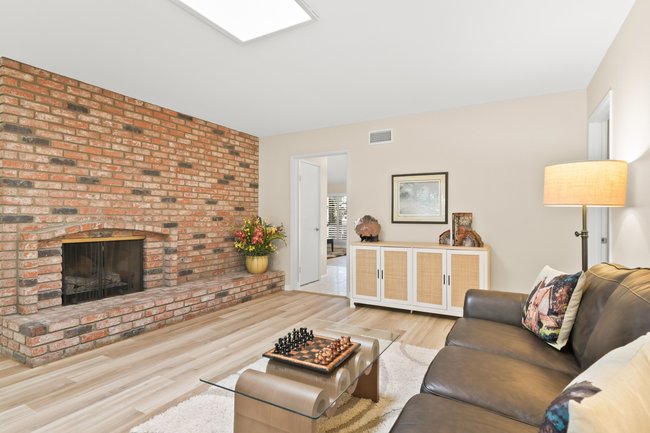
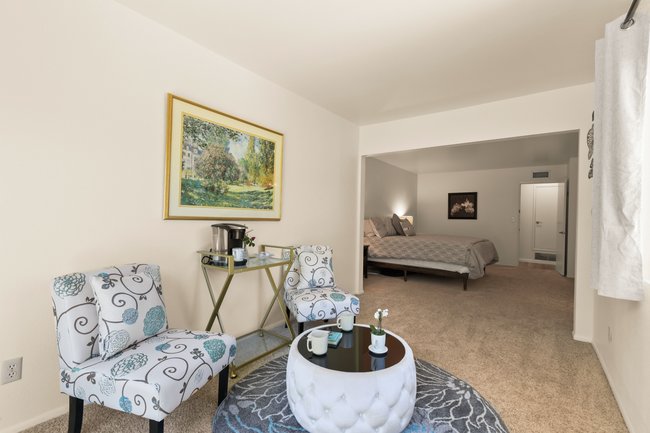
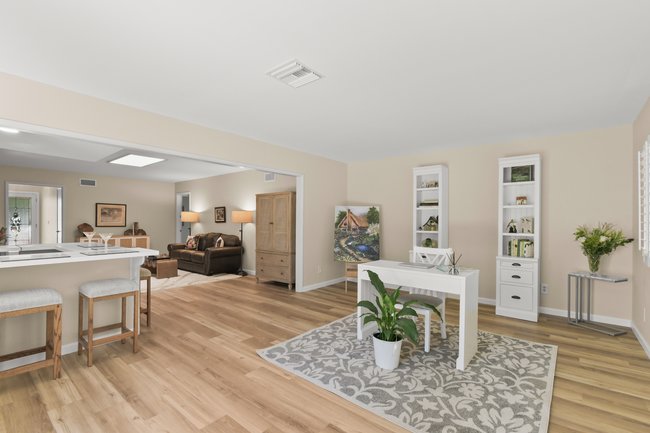
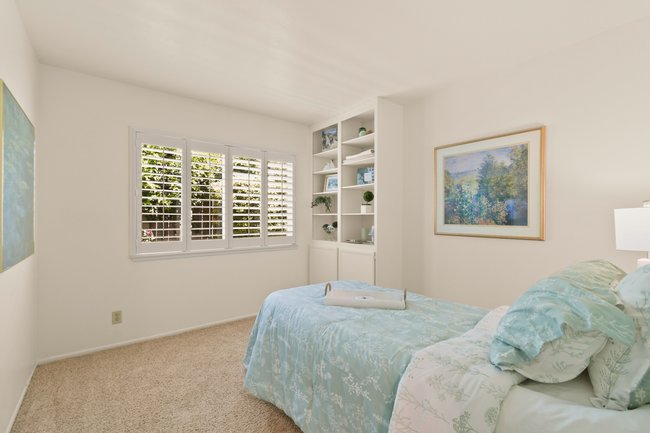
CASE STUDY
"The Decanture St. San Diego Project: Sold in 2 Days, Multiple Offers, Above Asking Price"
The Decanture project wasn't about making a home look more expensive.
It was about creating an experience.
Every recommendation began with one question:
“What do we want buyers to feel the moment they walk through the front door?”
The answer shaped every decision that followed.
Fresh landscaping.
Updated flooring.
Custom paint.
Thoughtful staging.
Fresh flowers throughout the home.
Music playing softly from room to room.
Subtle scents that created warmth without overwhelming the space.
Even handwritten notes hinted at future memories waiting to be made.
Nothing was accidental.
Every detail supported one emotional outcome.
We wanted buyers to stop looking at a house... …and begin imagining it as their home.
A PERSONAL NOTE
What Buying My Own Home Reminded Me
I recently purchased a home in Palm Desert.
Ironically, I had two very similar homes to choose from.
On paper, one was actually the better property. It had the larger backyard and the larger front patio - two things that are difficult to change later.
It should have been the obvious choice.
Instead, I bought the other house.
Why?
The owners had removed pictures from the walls but left every nail behind.
A dartboard had been removed, but the adhesive and dozens of small holes remained.
The kitchen cabinets were dirty inside.
Years of worn paint surrounded the cabinet doors because there were no handles.
None of those things were expensive to fix.
In fact, a few thousand dollars spent on paint, patching, hardware, and a professional cleaning probably would have transformed the entire impression of the home.
But together those small details communicated something much larger.
They quietly told me the owners hadn't cared enough to prepare the home before asking someone to invest more than half a million dollars.
And once that thought entered my mind, another question naturally followed.
If these are the things I can see... what are the things I can't?
I bought the other home.
Six weeks later, the first one was still sitting on the market.
That experience reminded me of something I see every day.
Your home is always communicating. The question is whether it's communicating exactly what you want buyers to believe.
GET STARTED
Let's Start With One Question
Before you spend money preparing your home for sale, let's determine which improvements will create the greatest impact—and which ones you can confidently skip.
Let's Talk
Do I need to remodel my home before selling it?
Not necessarily.
Every home is different, and every neighborhood is different. Sometimes a few strategic improvements can significantly increase buyer interest. Other times, spending money won't produce a meaningful return.
The goal isn't to spend more—it's to spend wisely.
That's why every consultation begins with understanding your home, your competition, and your goals.
How much does a consultation cost?
Every home and every project is unique.
Rather than offering a one-size-fits-all price, we'll begin with a conversation about your home, your goals, and how we may be able to help.
We'll explain exactly what we recommend and provide clear pricing before any work begins.
No surprises. No pressure. Just honest guidance.
What does a home staging consultation include?
Every consultation begins with understanding your goals. We walk through your home, discuss the market in your area, identify which improvements will create the greatest impact, and provide clear recommendations—along with transparent pricing—before you decide to move forward. The goal is to give you all the information you need to make a confident decision about preparing your home for sale.
How long does staging take?
Timeline depends on the scope of work. A consultation takes about an hour. If you move forward with staging or design recommendations, implementation typically takes one to three weeks, depending on the size of the home and the extent of the project. Most homes are ready to list within 2–4 weeks of starting.
Do you work with both occupied and vacant homes?
Yes. We stage both occupied and vacant properties. Vacant homes often require more furnishings and accessories, while occupied homes benefit from decluttering, depersonalizing, and strategic arrangement of existing pieces. Each approach is tailored to the home's specific situation.
Should I stage my home before or after listing?
Earlier is almost always better. The best time to stage is before professional photography and before listing—so your home photographs beautifully and makes the strongest first impression when buyers search online. Some sellers stage during the listing period if the home isn't generating expected interest, but staging before listing maximizes your competitive advantage.
What's the return on investment for staging?
According to the National Association of REALTORS®, staged homes sell an average of 33–50% faster than unstaged ones, and nearly 30% of agents report that staging increased the sale price by 1–10%. On a $500,000 home, that's a potential $5,000–$50,000 increase in sale price—often covering the entire cost of staging before accounting for savings in carrying costs from a faster sale.